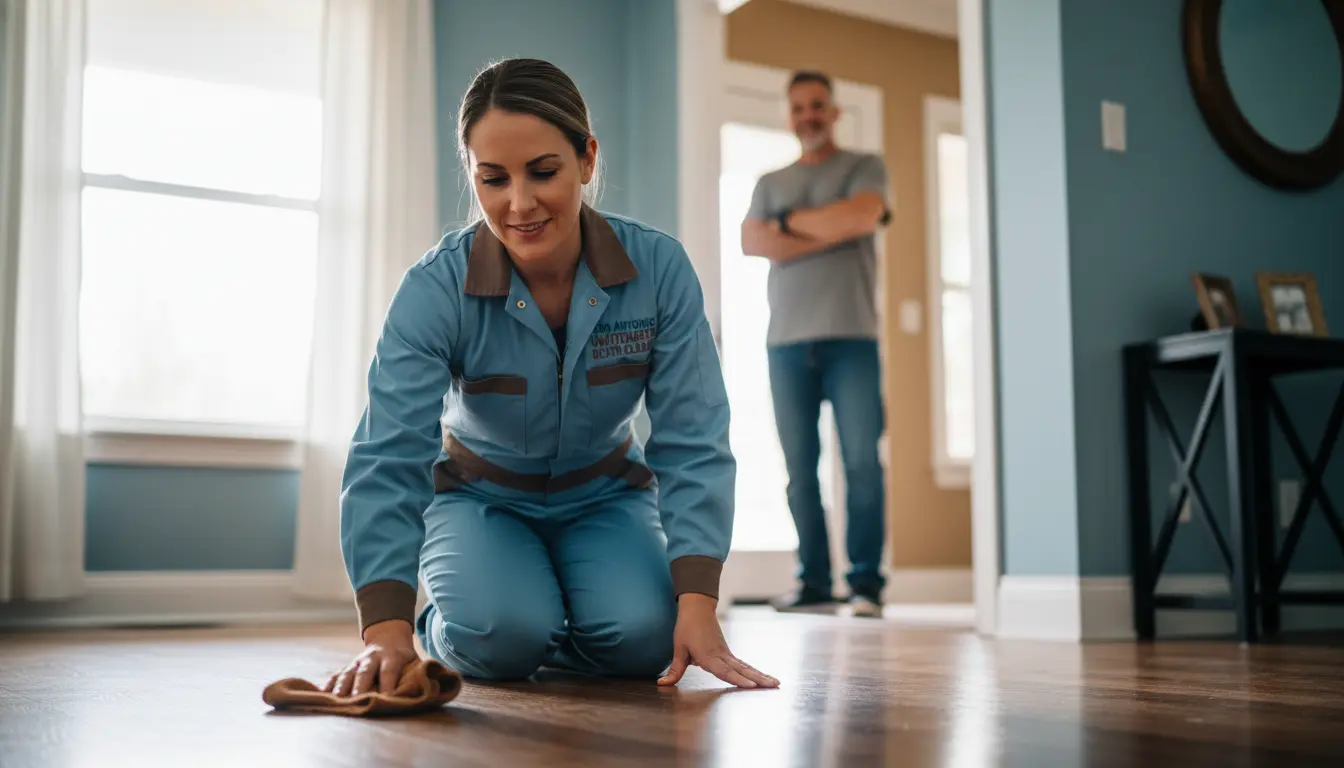
Handling insurance claims for unattended death cleanup services is a specialized task that blends technical knowledge of biohazard remediation with an understanding of property insurance policies. Most homeowners policies cover biohazard cleanup as part of the dwelling or personal property protection, but the claims process is rarely straightforward. Without proper documentation, detailed scopes of work, and adherence to industry standards, families can face delays, denials, or out-of-pocket costs that add financial strain to an already devastating event.
Understanding How to Handle Insurance Claims for Unattended Death Cleanup Services
When a death goes undiscovered for days or weeks, the biological decomposition process releases blood, bodily fluids, and airborne pathogens that permeate porous materials like drywall, flooring, and insulation. Standard household cleaning methods cannot address these hazards. Professional remediation companies follow the IICRC S540 standard for trauma and crime scene cleanup, a protocol that includes containment, removal of biohazardous materials, structural decontamination, and verification through ATP fluorescence testing.
Insurance adjusters are trained to evaluate property damage, but they often lack familiarity with the specialized nature of biohazard remediation. This gap is where a well-documented claim becomes essential. The remediation company must provide a detailed scope of work, photographic evidence, chain-of-custody documentation for biohazardous waste, and a line-item invoice that aligns with industry-standard pricing. For families in San Antonio, working with a provider that offers professional insurance claim assistance services can streamline the process and increase the likelihood of full reimbursement.
The Technical Process: From Assessment to Certification
Professional unattended death cleanup follows a rigorous, step-by-step process designed to eliminate health risks and restore the property to a safe condition. The first stage is a comprehensive risk assessment. Technicians evaluate the extent of biohazard contamination, the type of surfaces affected (porous vs. non‑porous), and the degree of structural saturation. San Antonio’s high ambient heat and humidity accelerate decomposition dramatically—a body can reach advanced stages of putrefaction within days, causing fluids to wick deep into sub‑flooring and wall cavities. This local climate factor means that remediation in Bexar County requires more aggressive removal and longer drying times than in cooler regions.
The final step is verification. Using an ATP (adenosine triphosphate) luminometer, technicians measure the presence of organic material on cleaned surfaces. A reading below the industry threshold confirms that microbial remediation is complete. Additionally, the team may apply an antimicrobial sealant to encapsulate any remaining unseen contamination, particularly in sub‑floor areas common in older San Antonio homes. This entire process is documented photographically and in writing, providing the claims adjuster with irrefutable evidence that the work was necessary and performed to standard.
Professional Remediation vs. Standard Cleaning: A Data Comparison
| Feature / Metric | Professional Biohazard Remediation | Standard Residential Cleaning |
|---|---|---|
| Regulatory Compliance | OSHA 29 CFR 1910.1030, IICRC S540, EPA waste disposal regulations | None; no biohazard training or certification |
| Pathogen Elimination | EPA‑registered hospital‑grade disinfectants + ATP verification | Household bleach (often ineffective against bloodborne pathogens) |
| Structural Assessment | Inspection for unseen seepage, wicking, and sub‑floor saturation | Visual only; hidden contamination is missed |
| Waste Disposal | Licensed medical waste transporter, incineration | Illegal dumping or landfill disposal (fines possible) |
| Documentation for Insurance | Detailed scope, photographs, chain of custody, ATP results | No documentation or generic receipt |
Expert Insights: Advanced Diagnostics and Common Pitfalls
Three Professional Diagnostic Tips
1. Detect hidden biological seepage before it becomes a health hazard. After removing visible biohazard material, experienced technicians use moisture meters and thermal imaging cameras to locate pockets of fluid that have soaked into sub‑floors or behind walls. In San Antonio’s humid climate, these hidden reservoirs can foster mold growth within 48 hours, compounding the contamination. Including this diagnostic step in the claim documentation shows the adjuster that the work went beyond surface cleaning.
2. Know when porous materials must be replaced rather than cleaned. Even with aggressive cleaning, porous materials like drywall and carpet cannot be fully disinfected because blood and bodily fluids penetrate their internal structure. The IICRC S540 standard mandates removal of all porous materials within 24 inches of visible contamination. Many insurance adjusters push back on full replacement, but a detailed scope of work that cites this standard is difficult to dispute.
3. Understand the importance of negative pressure to prevent cross‑contamination. Without containment, airborne pathogens can travel through HVAC systems and contaminate entire floors. Professional remediation setups include negative air machines that create a pressure differential, ensuring that any particles pulled into the air are captured by HEPA filters. This is a critical safety measure that also protects the property from further damage—an argument that strengthens the claim for full professional remediation.
Two Common Mistakes Property Owners Make
1. Using household bleach on biological matter. Bleach is a common go‑to, but it is not registered as a disinfectant for bloodborne pathogens. It can also corrode surfaces and release harmful fumes when mixed with organic material. A property owner who attempts DIY cleanup may invalidate their insurance coverage by failing to follow approved safety protocols, leaving them personally liable for any resulting health issues.
2. Waiting for odor to dissipate naturally. Decomposition odors are caused by volatile organic compounds (VOCs) that penetrate porous materials. The smell will not go away on its own; it will only intensify as the property warms up—common in San Antonio summers. Delaying professional remediation allows contamination to spread, increasing the scope of work and the cost of the claim. Insurers may deny coverage if they deem the delay as failure to mitigate damages.
Pricing for Unattended Death Cleanup Services
The cost of professional unattended death cleanup varies based on several factors, but a typical San Antonio project ranges from $1,500 for a small, single‑room incident to $10,000 or more for a full‑house remediation after a prolonged decomposition. Pricing is usually structured as follows:
- Site mobilization fee: $250–$500 covers the initial assessment, containment setup, and travel within the San Antonio metropolitan area.
- Hourly remediation rate: $150–$350 per hour per technician, depending on the complexity of the scene and the number of personnel required.
- Biohazard disposal charges: $200–$600 per drum, based on weight and the type of medical waste. Incineration is mandatory for all biohazardous materials.
Three key factors that influence the final price are the extent of structural material replacement needed (entire rooms may require new drywall and flooring), the total volume of biohazardous waste (fluid saturation can affect large areas), and the necessity for specialized HVAC decontamination if airborne pathogens entered the ductwork. A detailed estimate provided to the insurance company upfront can prevent disputes later. For more insight on selecting a reputable provider, read our guide on top tips for choosing death cleanup services near you.
Safety Standards and Certifications
Professional biohazard remediation companies operate under strict regulatory frameworks. The most critical certification is the IICRC S540 standard for trauma and crime scene cleanup, which defines the procedures for cleaning, disinfecting, and restoring properties affected by blood, bodily fluids, and other potentially infectious materials. Compliance with OSHA’s Bloodborne Pathogens Standard (29 CFR 1910.1030) is non‑negotiable; it requires employers to provide appropriate PPE, hepatitis B vaccinations, and annual training for all technicians who may be exposed to blood or other infectious materials.
In San Antonio, authorized waste management services must follow Texas Commission on Environmental Quality (TCEQ) guidelines for the transport and disposal of biohazardous waste. Improper disposal—such as placing contaminated materials in standard landfill trash—is illegal and can result in fines of up to $10,000 per violation. When a remediation company provides proof of certification and waste disposal documentation, it not only protects the property owner from liability but also strengthens the insurance claim by demonstrating that the work was performed by qualified professionals. Understanding why San Antonio needs expert unattended death services helps families make informed decisions quickly.
Frequently Asked Questions
Does homeowners insurance cover unattended death cleanup?
Most standard homeowners insurance policies cover cleanup of biological hazards under the dwelling coverage or personal property protection, provided the damage is sudden and accidental. However, many policies exclude coverage for gradual decomposition or death that occurred days prior to discovery. It is essential to review the specific policy language. If the death is considered a covered peril (such as an accident or natural causes), the remediation costs are typically reimbursable. Working with a remediation company that can provide a detailed scope of work and IICRC‑compliant documentation significantly improves the chances of approval.
What documentation do I need to submit for an insurance claim?
You will need a detailed scope of work from a certified biohazard remediation company, including photographs before, during, and after the cleanup; chain‑of‑custody forms for biohazard waste disposal; ATP test results confirming disinfection; and a line‑item invoice that separates labor, materials, and disposal costs. Some insurers also require a statement from the medical examiner confirming the cause of death and time of discovery. Having these documents organized before filing the claim can prevent delays.
How long after an unattended death can I file a claim?
Most insurance policies have a time limit for filing claims, often ranging from 30 days to one year from the date of the incident. However, for unattended death, the “incident” is usually defined as the date the body was discovered. It is critical to notify your insurance company as soon as possible, even if you are still working through the emotional aftermath. Delayed notification can lead to a denial based on the failure to mitigate damages, especially if the contamination spread during the waiting period.
Can I negotiate the insurance payout for cleanup?
Yes. Insurance adjusters often rely on internal pricing guides that may undervalue biohazard remediation, especially for complex scenes involving advanced decomposition. A certified remediation company can provide a line‑item breakdown that justifies each cost based on industry standards and local market rates. If the adjuster’s offer is too low, you have the right to request a re‑evaluation with supporting documentation. Some families choose to hire a public adjuster who specializes in property damage claims to negotiate on their behalf.
What happens if my claim is denied?
If your claim is denied, request a written explanation from the insurer. Common reasons for denial include policy exclusions for biological hazards, failure to provide timely notice, or lack of evidence that the remediation was necessary. You can appeal the decision by submitting additional documentation, such as a letter from the remediation company explaining the health risks and referencing the IICRC S540 standard. In some cases, involving a lawyer who handles property insurance disputes may be necessary, especially if the denial appears to be in bad faith.