Discovering an unattended death can be a traumatic experience, especially in the vibrant city of San Antonio where communities are tight-knit. As a resident or property manager in the Alamo City, you might face this heartbreaking situation unexpectedly. Unattended death cleanup isn’t just about removing visible remnants—it’s a complex process involving biohazards, emotional distress, and strict safety protocols. At San Antonio Unattended Death Cleanup, we understand the gravity of these incidents and are here to guide you through safe handling. This blog post provides practical, step-by-step advice to ensure your safety while addressing the cleanup in Texas, with a focus on San Antonio’s unique local regulations and resources.
Whether you’re dealing with a situation in your home in Windcrest or a rental property in Leon Valley, knowing how to proceed safely is crucial. We’ll cover everything from initial precautions to when professional help is essential, empowering you to navigate this sensitive matter responsibly.
Understanding Unattended Death Cleanup
What Constitutes an Unattended Death?
An unattended death occurs when a person passes away without anyone present to witness or report it promptly. In Texas, this can happen in private residences, hotels, or even public spaces if discovery is delayed. The body decomposition process begins immediately, releasing fluids and bacteria that pose severe health risks. In San Antonio’s warm climate, decomposition accelerates, making the scene even more hazardous within hours.
Biohazards like bloodborne pathogens, including hepatitis and HIV, can linger on surfaces. According to the Texas Department of State Health Services, improper handling can lead to cross-contamination, affecting not just the immediate area but also HVAC systems in homes across Bexar County.
The Dangers Involved
Attempting cleanup without proper knowledge exposes you to infectious diseases, chemical reactions from cleaning agents, and psychological trauma. In areas like Boerne, where rural properties might delay discovery, the risks compound due to larger affected zones. Physical dangers include slippery surfaces from bodily fluids, sharp objects, and toxic odors that can cause respiratory issues.
For property owners in San Antonio, failing to address these properly can result in legal liabilities under Texas health codes. That’s why education on safe practices is vital before any action.
Essential Safety Precautions
Before touching anything, prioritize your well-being and the scene’s integrity. Safety starts with preparation, especially in Texas where environmental factors like humidity exacerbate biohazard spread.
Securing the Area
First, isolate the space to prevent accidental exposure. Close off doors and windows, and post warning signs. If you’re in a multi-unit building in Live Oak, notify building management immediately to evacuate adjacent areas. Turn off HVAC systems to avoid circulating contaminated air throughout the property.
In San Antonio’s urban settings, such as apartments in Kirby, quick isolation prevents community-wide risks. Use barriers like tape or caution signs available from local hardware stores to maintain a perimeter.
Personal Protective Equipment (PPE)
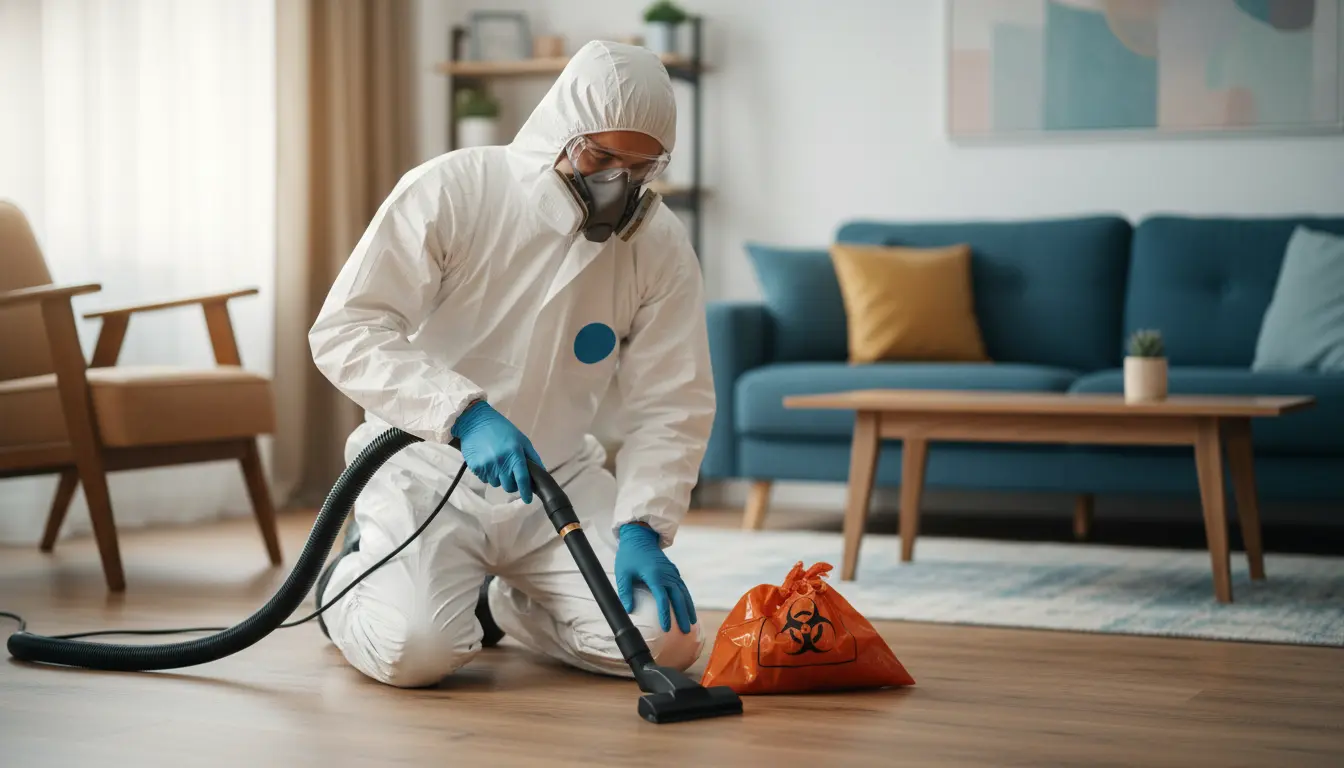
Never proceed without full PPE. This includes N95 respirators or higher for airborne particles, nitrile gloves (double-layered for extra protection), impermeable coveralls, booties, and face shields. In Texas heat, stay hydrated and take breaks to avoid heat exhaustion while suited up.
Source PPE from reputable suppliers; avoid reusing items contaminated with fluids. For comprehensive guidance, consider how professionals equip themselves during blood spill cleanup to model best practices.
Step-by-Step Guide to Safe Cleanup
Handling the cleanup requires a methodical approach. While DIY is possible for minor incidents, complex cases demand experts. Follow these steps to minimize risks.
Initial Assessment and Documentation
Document the scene with photos from a safe distance for insurance or legal purposes. Assess the extent of contamination—look for stains on walls, floors, and furnishings. In San Antonio homes with tile floors common in the region, fluids can seep into grout, requiring specialized attention.
If the death occurred in a vehicle or outdoor area, note environmental factors like Texas soil absorption. Avoid moving items unnecessarily to preserve evidence, as required by Texas law for unattended deaths.
Removing Biohazardous Materials
Start by ventilating the area once secured, using fans directed outward. Use absorbent materials like cat litter or commercial biohazard powders to contain fluids. For porous surfaces, like carpets in Leon Valley residences, removal might be necessary to prevent mold growth in humid conditions.
Disinfect with EPA-approved solutions, such as a 10% bleach solution, but test on inconspicuous areas first. Never mix chemicals, as this can produce toxic fumes. For detailed protocols on assessing and restoring damaged contents, explore our content damage assessment services.
Cleaning and Disinfection Process
Scrub surfaces with enzymatic cleaners designed for organic matter breakdown. These are more effective than standard cleaners for eliminating odors and pathogens. In San Antonio’s historic homes, preserve structural integrity by avoiding abrasive methods on delicate materials.
Pay special attention to HVAC filters and ducts, which can harbor bacteria. After cleaning, use UV lights or foggers for thorough sanitization. Dispose of waste in biohazard bags, following Texas regulations for transport to approved facilities.
Restoring the Space
Once disinfected, restore the area. For floors affected by spills, professional restoration ensures safety. Learn more about floor restoration service techniques that address deep contamination without compromising aesthetics.
In areas like Windcrest, where properties vary from modern to older builds, tailored restoration prevents long-term issues like lingering odors.
Legal and Health Considerations in Texas
Texas has stringent guidelines for biohazard cleanup under the Occupational Safety and Health Administration (OSHA) and local health departments. In San Antonio, the Metro Health Department oversees compliance, requiring proper certification for handlers.
Report the incident to authorities promptly—delays can lead to fines. Health-wise, post-exposure prophylaxis might be needed if contact occurs; consult a doctor immediately. For emotional support, San Antonio offers resources through organizations like the Alamo Area Council of Governments for grief counseling.
Property owners must ensure rentals in Boerne or elsewhere meet habitability standards post-cleanup, or face eviction disputes.
When to Call Professional Help in San Antonio
DIY cleanup suits small, recent scenes, but unattended deaths often exceed personal capabilities due to scale and risks. Signs you need pros: extensive decomposition, multiple rooms affected, or if you’re overwhelmed emotionally.
At San Antonio Unattended Death Cleanup, we specialize in compassionate, efficient services across Bexar County. Our team handles everything from initial response to full restoration, ensuring compliance with Texas laws. For sensitive situations requiring empathy, check our compassionate scene cleaning approach.
Serving areas like Live Oak and Kirby, we arrive discreetly and swiftly. Don’t risk your health—professionals use industrial-grade tools for superior results.
FAQ: Unattended Death Cleanup in San Antonio
1. How long does decomposition take in Texas heat?
In San Antonio’s climate, visible decomposition can start within 24-48 hours, accelerating biohazard risks. Prompt action is key.
2. Is professional cleanup covered by insurance?
Many homeowner policies in Texas cover biohazard cleanup; contact your provider. We assist with claims at San Antonio Unattended Death Cleanup.
3. What if the death is in a rental property?
Notify tenants and landlords immediately. In areas like Leon Valley, local ordinances require professional sanitization before re-renting.
4. Can I clean it myself if it’s just a small spill?
For minor blood spills, yes, with proper PPE. But for unattended deaths, experts recommend pros to avoid health hazards.
5. How do I dispose of biohazard waste in TX?
Use sealed containers and transport to licensed facilities. Never use regular trash—Texas fines for improper disposal are steep.
Conclusion: Prioritize Safety and Seek Expert Support
Safely handling unattended death cleanup in Texas demands respect for health risks, legal requirements, and emotional impacts. From securing the scene in your San Antonio home to thorough disinfection, following these steps protects you and restores peace. However, the complexity often warrants professional intervention to ensure complete safety.
At San Antonio Unattended Death Cleanup, we’re committed to supporting our community with discreet, effective services. Whether in Windcrest, Boerne, or central San Antonio, we’re just a call away. Contact us at (726) 465-7695 for immediate assistance and reclaim your space with confidence. Your safety matters—don’t hesitate to reach out.