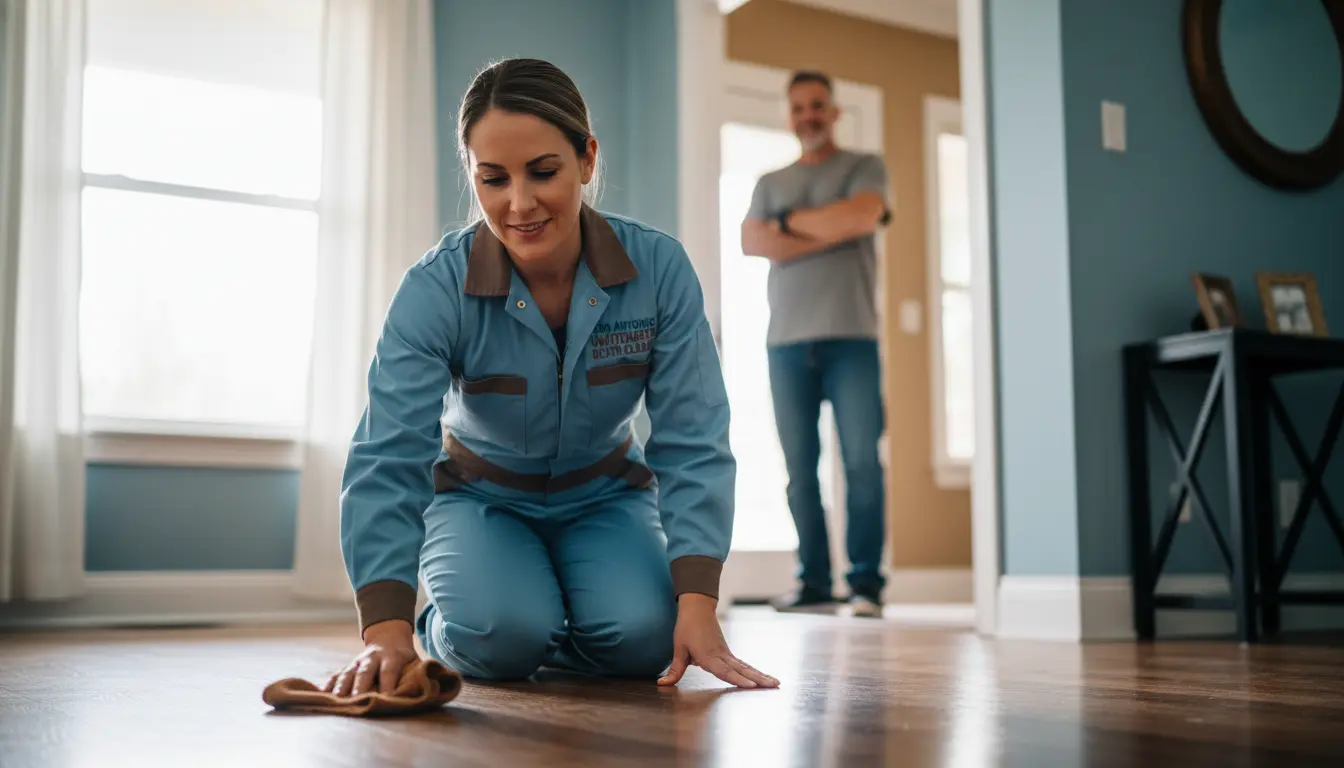
Unattended death cleanup for apartments and rental properties in San Antonio is a specialized form of biohazard remediation that addresses the biological, chemical, and structural aftermath of a death that goes undiscovered for hours, days, or even weeks. Unlike standard crime scene cleanup, which typically involves fresh trauma and immediate response, unattended death scenarios present unique challenges because decomposition begins almost immediately, releasing fluids, gases, and airborne pathogens that can penetrate porous building materials and HVAC systems. Property owners, managers, and heirs often confuse this service with routine janitorial cleaning, but the distinction is critical: unattended death cleanup requires certified technicians trained in bloodborne pathogen handling, advanced decontamination protocols, and compliance with OSHA, EPA, and IICRC S540 standards. In San Antonio, where the combination of South Texas heat and humidity can accelerate biological processes, the window for safe, effective remediation shrinks rapidly, making expert intervention not just advisable but essential for protecting both human health and property value.
The Technical Process of Unattended Death Cleanup in San Antonio
Professional remediation follows a carefully sequenced workflow designed to contain hazards, eliminate pathogens, and restore the property to a habitable condition. The process begins with a thorough risk assessment of the scene. In San Antonio, where older residential structures are common—especially in neighborhoods like Alamo Heights, King William, and the historic districts—we must account for materials like plaster, lath, and hardwood floors that are more porous than modern construction. The assessment determines the extent of contamination, identifies affected building materials, and evaluates HVAC ductwork for potential spread. Once the scope is defined, we establish a containment zone using negative air pressure machines equipped with HEPA filtration. This prevents airborne particles from migrating to other parts of the building or adjacent units, a critical step in apartment complexes where cross-contamination prevention is paramount.
Data Comparison: Professional Remediation vs. Standard Cleaning
| Feature/Metric | Professional Biohazard Remediation | Standard Residential Cleaning |
|---|---|---|
| Regulatory Compliance | Fully compliant with OSHA 29 CFR 1910.1030, EPA, and IICRC S540 | No biohazard-specific training or certification |
| Pathogen Elimination | 99.9999% reduction using EPA-registered disinfectants and ATP testing | Household bleach may not achieve required kill rates; no verification |
| Structural Assessment | Identifies hidden biological seepage; replaces affected porous materials | Surface cleaning only; does not address subfloor or wall contamination |
| Odor Removal | Uses ozone generators, hydroxyl machines, and thermal fogging to neutralize volatile organic compounds | Air fresheners mask odors temporarily; decomposition gases persist |
| Waste Disposal | Licensed medical waste disposal via incineration | Improper disposal risks legal penalties and public health hazards |
| Insurance Billing Assistance | Provides documentation for property and liability claims | Not typically offered |
Source: IICRC S540 Trauma and Crime Scene Cleanup Standard
Expert Insights from a Certified Remediation Specialist
Over years of performing unattended death cleanup for apartments and rental properties in San Antonio, three diagnostic principles consistently prove essential. First, hidden biological seepage is the most common oversight. Decomposition fluids can travel along floor joists, behind baseboards, and into crawl spaces, producing a lingering odor that standard cleaning cannot eliminate. Using a combination of thermal imaging and moisture meters, we locate these hidden pockets before they lead to fungal growth or structural rot. Second, porous materials—such as drywall, carpet, and unsealed concrete—cannot be fully decontaminated through cleaning alone. The IICRC S540 standard requires removal of any porous material that has been in direct contact with body fluids for more than a few hours. In San Antonio’s older buildings, this often means replacing sections of original hardwood flooring or plaster walls, which demands careful coordination with restoration contractors. Third, maintaining negative pressure throughout the remediation process is non-negotiable. Without it, airborne pathogens can travel through shared ventilation systems in apartment buildings, contaminating neighboring units and creating liability for the property owner. I have seen cases where a single unattended death in a San Antonio apartment complex led to tenant complaints of respiratory symptoms in adjacent units because the initial cleanup crew did not use proper containment. The cost of remediating that secondary contamination far exceeded the original cleanup.
Pricing Considerations for Unattended Death Cleanup
Pricing for unattended death cleanup in San Antonio varies based on several factors, but property owners should expect a structured approach involving site mobilization fees, hourly remediation rates, and itemized costs for specialized waste disposal. Typically, a standard site mobilization fee covers the dispatch of a certified crew, transport of equipment such as negative air machines and industrial-grade HEPA vacuums, and the initial risk assessment. Hourly remediation rates reflect the level of expertise required—technicians must be trained in bloodborne pathogen handling, use of PPE, and proper decontamination techniques. For a typical one-bedroom apartment where the body has been undiscovered for three to five days, total costs can range from $2,500 to $5,000, depending on the extent of contamination. Larger properties or those with advanced decomposition, especially during San Antonio’s hot summer months, can exceed $10,000.
Safety Standards and Certifications
Compliance with established safety standards and certifications is the foundation of professional unattended death cleanup for apartments and rental properties in San Antonio. The most critical certification is the IICRC S540 standard for trauma and crime scene cleanup, which outlines proper procedures for biohazard removal, containment, and decontamination. Technicians should also be certified in OSHA Bloodborne Pathogens Standard 29 CFR 1910.1030, which mandates training on handling potentially infectious materials, proper use of PPE, and emergency response protocols. Additionally, the EPA regulates the use of disinfectants, and only products with EPA registration—such as those with label claims against hepatitis B, HIV, and tuberculosis—should be applied. In San Antonio, we also follow Texas Department of State Health Services guidelines for the disposal of medical waste, which requires that all biohazardous materials be transported by a licensed waste management company to an approved incineration facility. These standards are not merely bureaucratic; they have practical implications for protecting property owners, occupants, and future tenants. For example, without proper containment and negative air pressure, bloodborne pathogens can become airborne and infect individuals who enter the space. In multi-unit apartments, this risk extends to neighbors and maintenance staff. By adhering to these standards, professional remediation companies ensure that the site is safe for reoccupancy and that the property owner is shielded from liability.
Frequently Asked Questions About Unattended Death Cleanup
What is the difference between unattended death cleanup and crime scene cleanup?
While both involve biohazard remediation, unattended death cleanup focuses on scenes where decomposition has occurred over an extended period. Crime scene cleanup typically deals with fresh trauma, such as a shooting or stabbing, where the body is discovered quickly. In unattended deaths, the decomposition process has already begun, resulting in the release of volatile organic compounds, bloodborne pathogens, and fluids that have penetrated porous materials. The remediation approach differs significantly: unattended death cleanup requires more extensive removal of building materials, advanced odor neutralization, and often involves HVAC decontamination. In San Antonio, where high humidity accelerates decomposition, the timeline for safe cleanup is compressed, making professional intervention even more critical.
How long does the unattended death cleanup process take?
The duration depends on the size of the property, the extent of contamination, and the condition of the building’s materials. For a typical studio or one-bedroom apartment in San Antonio, the active remediation phase can take one to three days, including containment setup, physical removal, chemical decontamination, ATP testing, and final restoration. Additional time is required if structural repairs—such as replacing subflooring or drywall—are needed. In cases where the body has been undiscovered for weeks, the process may extend to five or more days. However, the property can often be reoccupied within a week of the initial call, provided the remediation team works efficiently and coordinates with restoration contractors. Property owners should plan for a temporary vacancy during the cleanup and any subsequent repairs.
Is unattended death cleanup covered by insurance?
Many landlord, property management, and homeowner insurance policies cover biohazard remediation, including unattended death cleanup. Coverage typically falls under the property damage or liability provisions of the policy. It is essential to review the specific policy terms and notify the insurance company as soon as possible. Professional remediation companies can assist with documentation, including photographs, inventory of removed items, and final clearance reports, which are often required for claims. In San Antonio, where property values are significant, the cost of remediation is generally less than the potential loss of rental income or property value if the cleanup is botched. Property owners should always ask their remediation provider for insurance billing assistance to streamline the process.
What happens if I try to clean the site myself?
Attempting to clean an unattended death scene without proper training, equipment, and certification poses serious health and legal risks. Bloodborne pathogens such as hepatitis B, hepatitis C, and HIV can survive on surfaces for days or weeks, and improper handling can lead to infection. Additionally, household bleach is not effective against all pathogens and can be inactivated by organic matter. Without negative air containment, airborne contaminants can spread to other parts of the building, affecting tenants and neighbors. Legally, property owners who allow untrained personnel to clean a biohazard site may be held liable for negligence under Texas law. In Bexar County, local health authorities may also issue citations for improper disposal of medical waste. The long-term consequences include structural damage that reduces property value, persistent odors that make units unrentable, and potential lawsuits from tenants or their families. Professional unattended death cleanup for apartments and rental properties in San Antonio is the only safe, compliant, and effective solution.
Professional Biohazard Remediation in San Antonio
Unattended death cleanup for apartments and rental properties in San Antonio is a technically demanding service that requires certified expertise, local knowledge, and a compassionate approach. The combination of South Texas heat, high humidity, and the prevalence of older residential buildings creates unique challenges that only experienced professionals can address. From the initial risk assessment to final ATP testing and structural encapsulation, every step must be executed with precision to ensure the property is safe for reoccupancy and to protect the owner’s investment. Property owners, managers, and heirs who face this difficult situation need a partner who understands the science behind biohazard remediation and the practical realities of the San Antonio market. By choosing a certified provider that adheres to IICRC S540 standards, OSHA regulations, and EPA guidelines, they can minimize disruption, reduce liability, and restore the property to a habitable condition as quickly as possible. For those in need of reliable, discreet, and technically rigorous service, San Antonio Unattended Death Cleanup offers the most comprehensive solution available, backed by years of experience and a deep commitment to the community.