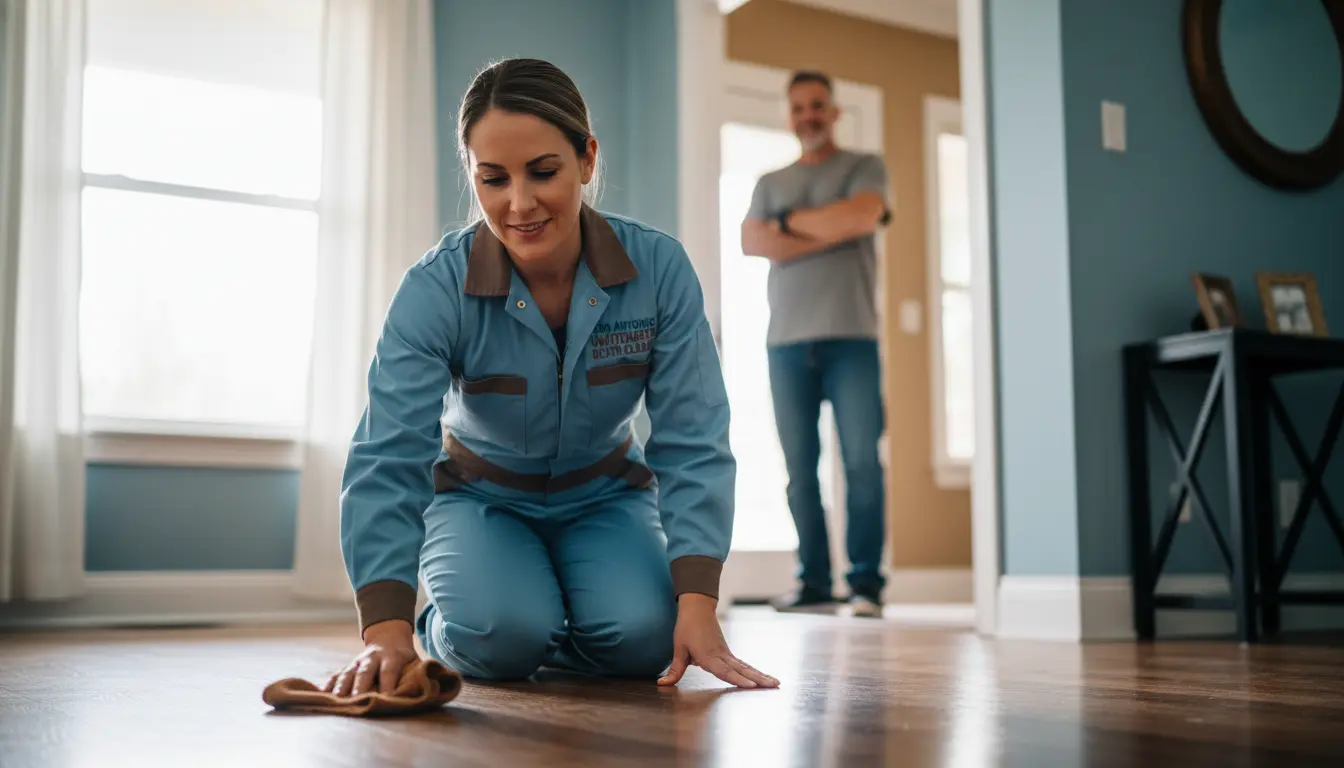
The technician knelt on the hardwood floor of a quiet bungalow near Alamo Heights, his gloved hand pressing a swab to the baseboard. The homeowner had discovered the scene three days after the fact, and the air was thick with the unmistakable weight of biological decay. Under the glare of a portable LED light, the swab came back positive for adenosine triphosphate — confirmation that microbial activity had already penetrated the porous oak grain. That single reading dictated a shift from surface cleaning to structural decontamination, a decision that would ultimately preserve the home’s livability and the family’s peace of mind. This is the reality of modern unattended death cleanup, where science, compassion, and rigorous protocol intersect to restore not just a property, but a sense of safety.
In San Antonio, the combination of South Texas humidity and aging residential infrastructure creates unique challenges for biohazard remediation. The latest unattended death cleanup standards and safety practices (2026) now account for these local variables with unprecedented precision. Whether you are a property manager facing a sudden liability or a family member navigating an overwhelming loss, understanding these updated protocols is essential. This article walks through the technical process, the regulatory framework, and the practical steps that define professional remediation today — and why San Antonio residents cannot afford to settle for less.
The Scientific Foundation of Modern Biohazard Remediation
Unattended death cleanup has evolved from a largely manual, bleach-based process into a scientifically calibrated discipline governed by the IICRC S540 Standard for Trauma and Crime Scene Cleanup. The core principle is simple but demanding: eliminate all biological hazards while preventing cross-contamination. This requires a deep understanding of pathogen behavior, material porosity, and the physics of airborne particulate movement. In San Antonio, where summer temperatures routinely exceed 95 degrees Fahrenheit, decomposition accelerates rapidly. Fluids from the body begin to break down within hours, seeping into subflooring, drywall, and HVAC systems. Without immediate, professional intervention, biological material can trigger structural rot, persistent odor migration, and airborne pathogen risks that linger for months.
The 2026 standards emphasize a three-tier approach: containment, removal, and verification. Containment involves establishing negative air pressure within the affected zone using industrial-grade negative air machines equipped with HEPA filtration. This prevents airborne contaminants — including bloodborne pathogens such as hepatitis B, hepatitis C, and HIV — from drifting into uncontaminated areas of the home. Removal then proceeds with meticulous attention to every surface, from visible stains to microscopic residues hidden in grout lines or behind baseboards. Finally, verification uses ATP fluorescence testing to confirm that microbial levels have been reduced to safe thresholds. This is not guesswork; it is forensic restoration backed by measurable data.
Step-by-Step Remediation Workflow for San Antonio Properties
Initial Risk Assessment and PPE Protocol
Every remediation begins with a site evaluation. Technicians document the extent of the contamination, identify porous versus non-porous materials, and assess risks such as sharp objects, needles, or structural instability. Personal protective equipment is donned according to OSHA Bloodborne Pathogens Standard 29 CFR 1910.1030: Tyvek suits, nitrile gloves, shoe covers, full-face respirators with P100 filters, and eye protection. This is not optional. Even a tiny splash of bloodborne pathogens on unprotected skin can lead to serious infection. In San Antonio’s older homes — many built in the 1920s through 1960s — subflooring often consists of pine planks with wide gaps, which can trap biological fluids and create hidden reservoirs of contamination.
Physical Removal and Chemical Sanitization
Once the scene is secured, the physical removal phase begins. Technicians carefully extract all visibly contaminated materials: carpeting, padding, affected drywall sections, and any saturated wood. These materials are double-bagged in biohazard bags, labeled according to federal and state regulations, and transported to authorized medical waste disposal facilities. After removal, every remaining surface is cleaned using hospital-grade disinfectants that are EPA-registered for bloodborne pathogens. The cleaning process is methodical — wiping from the least contaminated area toward the most contaminated, using fresh cloths for each pass to avoid spreading biological material.
Enzyme treatments are then applied to break down organic residues that disinfectants alone cannot fully dissolve. These specialized cleaners catalyze the decomposition of proteins and fats, eliminating the biological food source for bacteria and the odor compounds that attract insects. In San Antonio’s humid climate, enzyme treatments are particularly critical because moisture can reactivate dormant bacteria if residues remain. The final step in this phase is a full-system flush: all HVAC ducts are inspected and cleaned if necessary, and the affected rooms are fogged with a broad-spectrum antimicrobial to neutralize airborne pathogens.
Verification Through ATP Testing
ATP fluorescence testing has become the gold standard for verifying cleanliness in biohazard remediation. The test measures adenosine triphosphate, a molecule present in all living cells. A swab is taken from a cleaned surface and inserted into a handheld luminometer, which produces a numerical reading. A reading below 10 relative light units (RLU) indicates that the surface is biologically clean. For comparison, a typical kitchen counter after routine cleaning might score 50 to 100 RLU. In unattended death scenes, technicians aim for RLU levels at or near zero. If a surface fails the test, it is re-cleaned and re-tested until the threshold is met. This objective verification protects property owners from hidden health risks that visual inspections cannot detect.
Professional Remediation vs. Standard Janitorial Cleaning
Many property owners mistakenly believe that a thorough cleaning with bleach is sufficient after an unattended death. The reality is starkly different. Standard janitorial services lack the training, equipment, and regulatory compliance to handle biohazardous materials. The following table highlights the critical distinctions:
| Feature / Metric | Professional Biohazard Remediation | Standard Residential Cleaning |
|---|---|---|
| Regulatory Compliance | Full adherence to OSHA 29 CFR 1910.1030, EPA guidelines, and IICRC S540 | General safety protocols only; no biohazard-specific training |
| Pathogen Elimination | ATP-verified microbial reduction to <10 RLU; hospital-grade disinfectants | Household bleach or all-purpose cleaners; no verification |
| Structural Assessment | Evaluation of subflooring, HVAC, and porous materials; replacement as needed | Surface cleaning only; no structural testing |
| Waste Disposal | Authorized medical waste transport and incineration | Regular trash disposal, which is illegal for biohazard waste |
| Odor Remediation | Enzyme treatments, ozone or hydroxyl generators, and HVAC decontamination | Air fresheners or passive ventilation; temporary effect |
| Liability Protection | Documented chain of custody and insurance coverage | No documentation; potential legal exposure |
Expert Insights for Property Owners and Managers
Diagnostic Tip: Detecting Hidden Biological Seepage
One of the most common oversights in unattended death cleanup is failing to identify biological fluid migration beneath visible surfaces. Fluids can seep through carpet padding and into subflooring, then travel laterally along floor joists. In San Antonio’s older homes, this migration can extend several feet beyond the original stain. Professional technicians use moisture meters and thermal imaging cameras to detect hidden moisture pockets. If a subfloor reading exceeds 20% moisture content in an area adjacent to the scene, it is likely that biological fluid has penetrated and the affected section should be removed and replaced.
Diagnostic Tip: Why Porous Materials Require Replacement
Porous materials — including drywall, untreated wood, carpet, and upholstery — absorb biological fluids at a microscopic level. Even after aggressive cleaning, these materials can retain organic residues that support bacterial growth. In a humid environment like San Antonio, this leads to recurring odor and potential mold development. The IICRC S540 standard recommends that any porous material that has been directly contaminated be removed and replaced. This is not an upsell; it is a infection control measure. Attempting to clean drywall that has been soaked through with biological fluids is like trying to wash a sponge clean of red wine — the stain may fade, but the contamination remains embedded in the matrix.
Diagnostic Tip: The Importance of Negative Pressure
Negative pressure containment is one of the most technically demanding aspects of remediation. By using a negative air machine to exhaust air from the workspace to the outside (through HEPA filtration), technicians create a pressure differential that prevents airborne contaminants from escaping. Without this setup, opening a door or walking through the room can stir up particulate and spread pathogens to other parts of the home. In multi-story buildings or apartments, failure to establish negative pressure can contaminate shared HVAC systems, affecting neighboring units. This is a non-negotiable requirement in professional remediation, yet it is almost never implemented by untrained individuals.
Common Mistakes Property Owners Make
One of the most frequent errors is using household bleach on biological matter. While bleach is a disinfectant, it is also highly corrosive and can damage flooring, countertops, and fabrics. More critically, bleach does not penetrate porous surfaces effectively, leaving behind organic residues. Another mistake is waiting for the odor to dissipate naturally. Odor compounds from decomposition — including putrescine and cadaverine — are volatile organic compounds that can adsorb into walls, furniture, and ductwork. Passive ventilation only spreads these compounds deeper into the structure. Finally, allowing untrained family members or maintenance staff to enter the scene before professional remediation exposes them to bloodborne pathogens and psychological trauma. The consequences can include long-term health risks such as chronic respiratory issues or hepatitis infection, as well as structural damage that devalues the property.
Understanding Pricing for Unattended Death Cleanup in San Antonio
Pricing for professional biohazard remediation varies based on several factors. Most companies provide a free, no-obligation estimate after a site assessment. The following bullet points outline realistic pricing structures and cost drivers:
- Site Mobilization Fee: This covers the cost of dispatching a trained crew, transporting equipment (negative air machines, HEPA vacuums, PPE, and cleaning agents), and setting up containment. Typical mobilization fees range from $350 to $600, depending on the distance from the company’s base of operations to the property in San Antonio.
- Hourly Remediation Rates: Most professional services charge an hourly rate for the remediation work itself. Rates typically fall between $150 and $300 per hour per technician, with a two- to four-person crew being standard. The total hours depend on the size of the affected area and the extent of contamination.
- Specialized Disposal Costs: Biohazardous waste cannot be placed in regular trash. It must be transported to a licensed medical waste treatment facility, where it is incinerated or autoclaved. Disposal fees are usually calculated by weight or volume, ranging from $50 to $150 per bag.
Three major factors influence overall cost. First, the extent of structural material replacement — if subflooring, drywall, or cabinetry must be removed and rebuilt, costs rise significantly. Second, the total volume of biohazardous waste — larger scenes with greater fluid saturation generate more waste bags and require longer disposal processing. Third, the necessity for specialized HVAC decontamination — if the home’s forced-air system has been contaminated, duct cleaning and antimicrobial fogging add $500 to $1,500 to the total. Property owners should always request a written estimate that itemizes these components.
Safety Standards and Certifications That Matter
Professional unattended death cleanup in San Antonio is regulated by multiple layers of standards. The most critical certification is the IICRC S540, which establishes the baseline for trauma and crime scene cleanup. Technicians certified under this standard have completed formal training in bloodborne pathogen handling, chemical safety, and scene verification. Equally important is compliance with OSHA Bloodborne Pathogens Standard 29 CFR 1910.1030, which mandates specific protocols for exposure control, personal protective equipment, and waste disposal. Companies that follow this standard maintain a written exposure control plan, provide hepatitis B vaccinations to employees, and conduct regular training updates.
Local compliance in Bexar County also requires that biohazard waste be transported by a licensed medical waste hauler. Using an unauthorized transporter can result in fines and legal liability. Additionally, the Texas Commission on Environmental Quality regulates the disposal of hazardous waste, including chemical cleaning agents and biological materials. Professional remediation services maintain a chain of custody for all waste, documenting its movement from the property to the disposal facility. For property owners, hiring a company that adheres to these standards provides more than just cleanliness — it provides legal protection and peace of mind.
Frequently Asked Questions About Unattended Death Remediation
Is it safe to clean an unattended death scene myself?
No. Unattended death scenes involve bloodborne pathogens such as hepatitis B, hepatitis C, HIV, and a host of bacteria that thrive in decomposing organic matter. Without proper PPE, containment, and disinfection protocols, you risk serious infection. Additionally, biological fluids can seep deep into porous materials, making thorough cleaning nearly impossible without professional equipment. The IICRC S540 standard explicitly states that biohazard remediation should only be performed by trained professionals. Attempting a DIY cleanup not only endangers your health but can also leave behind contaminants that create long-term odor and structural issues.
How quickly should I call a cleanup service after an unattended death?
Immediately. Decomposition begins within hours of death, and biological fluids start breaking down almost instantly. In San Antonio’s hot climate, the rate of decomposition accelerates, and odors can permeate the entire property within 24 to 48 hours. Early intervention reduces the extent of contamination, limits the need for structural material replacement, and prevents odor migration into HVAC systems. Many professional services offer 24/7 emergency response to address these critical early hours.
What happens to personal belongings that are not visibly contaminated?
All items within the affected room are carefully assessed. Non-porous items such as glass, metal, or hard plastics can often be cleaned and decontaminated using EPA-registered disinfectants and ATP verification. Porous items like clothing, books, or upholstered furniture that are within close proximity to the scene may absorb volatile odor compounds even if they show no visible stains. In many cases, these items require specialized ozone treatment or, if heavily saturated, disposal. The professional team will inventory all belongings and discuss options with the property owner before proceeding.
Will my homeowners insurance cover unattended death cleanup?
Many standard homeowners insurance policies cover biohazard remediation under the dwelling or personal property coverage, particularly if the death was sudden and accidental. However, coverage varies widely by policy and state. In Texas, some insurers require a specific rider for biohazard cleanup. It is essential to contact your insurance agent immediately and ask about coverage for trauma scene cleanup. Professional remediation companies can often provide itemized invoices and documentation that support insurance claims. Some companies also work directly with adjusters to streamline the process.
How long does the remediation process typically take?
The duration depends on the size of the scene and the extent of contamination. A small room with minimal fluid spread might be fully remediated in one to three days. A larger scene involving multiple rooms, subfloor replacement, or HVAC decontamination can take five to seven days. The verification phase — including ATP testing and odor clearance — adds time but ensures that the property is safe for reoccupancy. A professional company will provide a timeline after the initial assessment and keep you updated throughout the process.
Professional Biohazard Remediation in San Antonio
Unattended death cleanup is not a task for general cleaning services or well-intentioned family members. It demands a combination of scientific knowledge, technical precision, and emotional sensitivity. The latest unattended death cleanup standards and safety practices (2026) reflect a mature industry that prioritizes measurable outcomes, regulatory compliance, and the well-being of everyone who enters the property. In San Antonio, where the climate and housing stock create specific challenges, professional remediation is the only reliable path to restoring a home to a safe, habitable condition.